
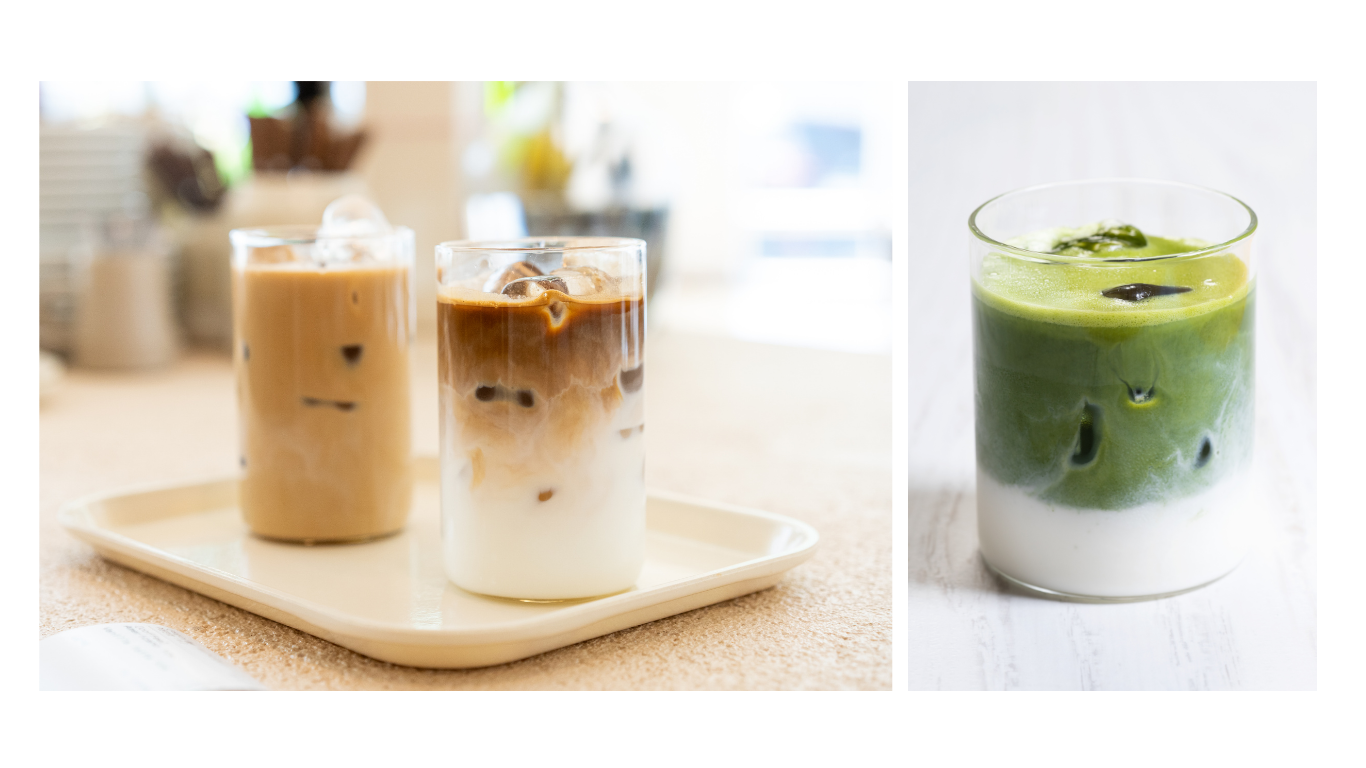
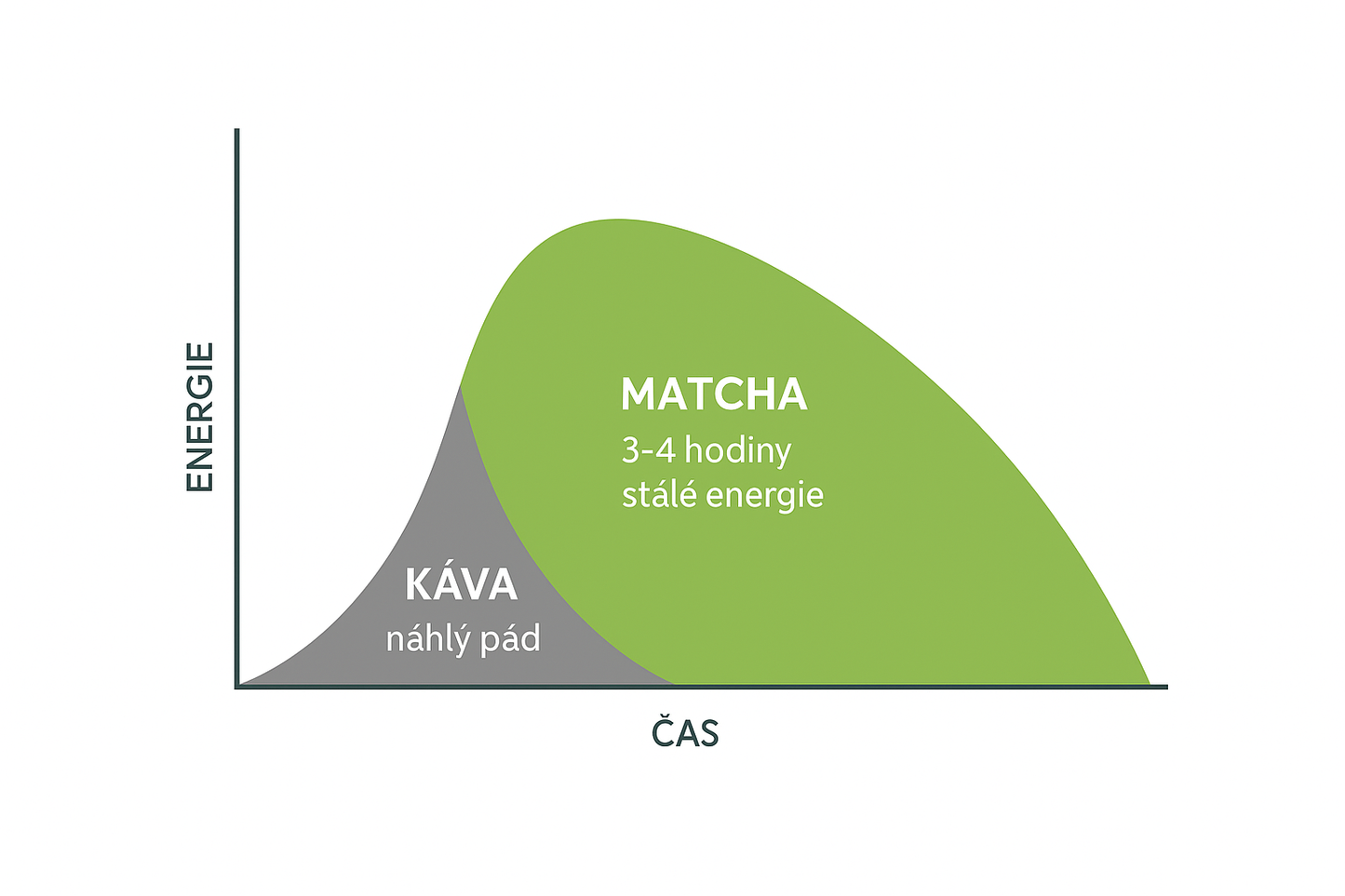
Coffee alternatives crafted for your daily ritual — energizing without the caffeine crash

Balmy Blend
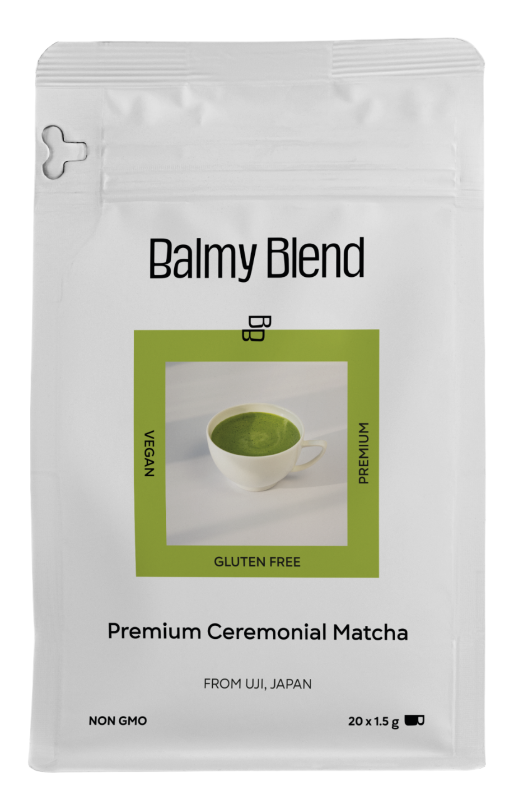
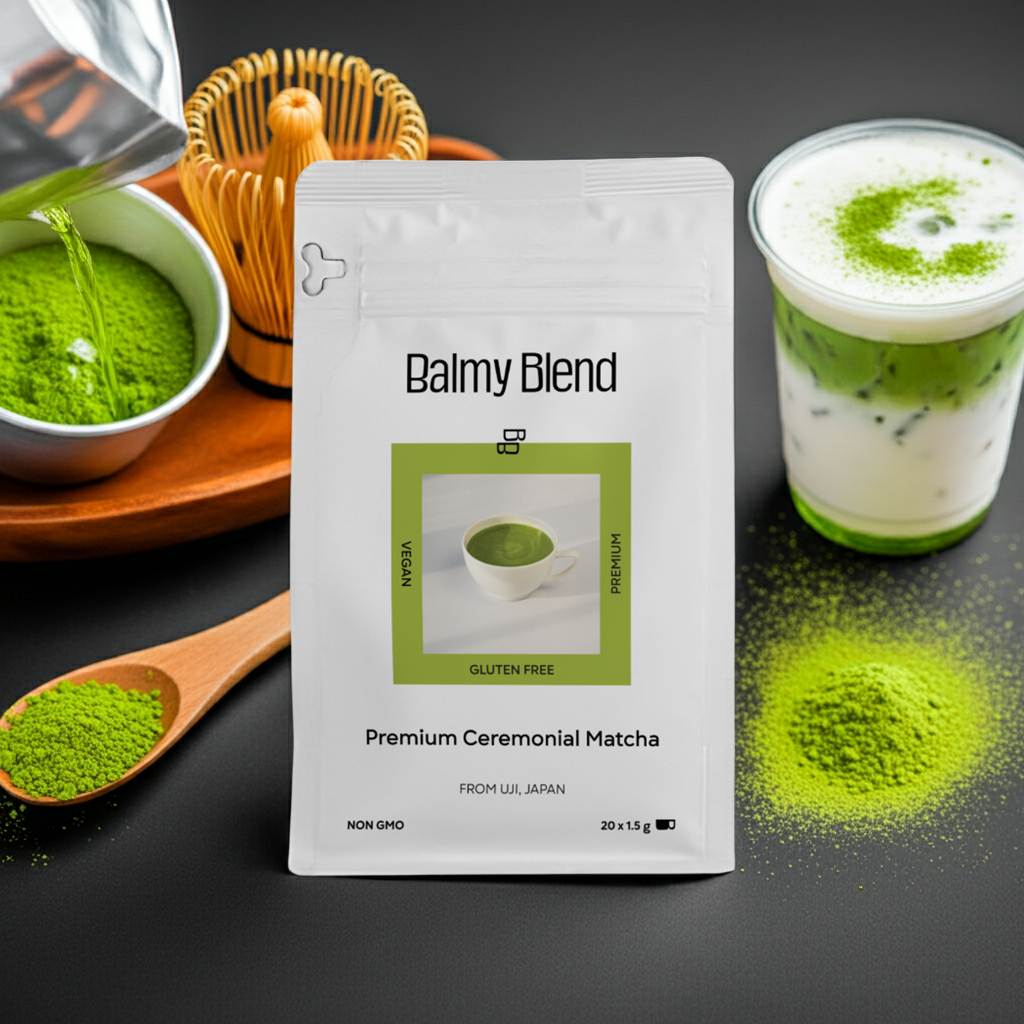
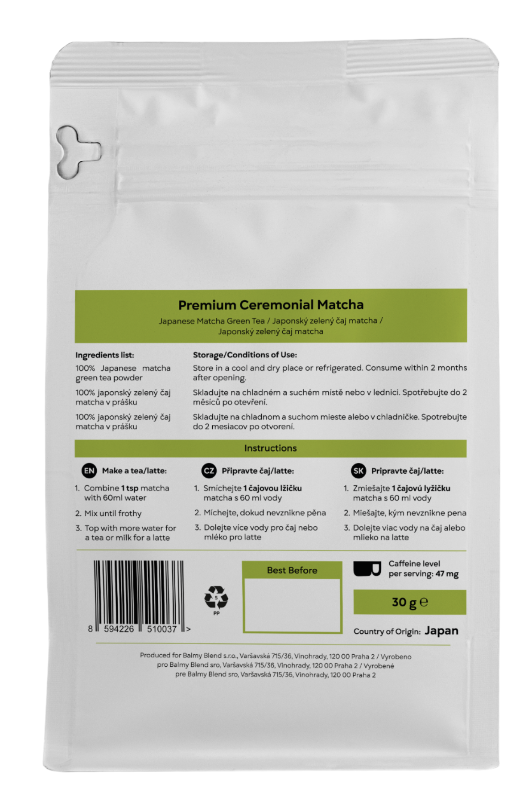
Premium Ceremonial Matcha 30g
Share

About Us
Less coffee. More balance.
Balmy Blend was created for those who go all out – in work, in life, in movement.
You know it: 3 coffees a day, but still tired.
We were looking for a different way.
Functional drinks without fluctuations, without stress.
For your ritual. For your balance.
Blog posts
View all-
Why Is Good Matcha Expensive? A Breakdown of Pr...
Good matcha is expensive because it is deliberately inefficient to produce. From weeks of shaded growing and hand-selected young leaves to slow stone grinding that yields just grams per hour,...
Why Is Good Matcha Expensive? A Breakdown of Pr...
Good matcha is expensive because it is deliberately inefficient to produce. From weeks of shaded growing and hand-selected young leaves to slow stone grinding that yields just grams per hour,...
-
Ceremonial vs Culinary Matcha: What’s the Diffe...
Ceremonial matcha = sweet, smooth, low bitterness Culinary matcha = strong, bitter, recipe-focused For sweet matcha lattes, ceremonial matcha is the better choice
Ceremonial vs Culinary Matcha: What’s the Diffe...
Ceremonial matcha = sweet, smooth, low bitterness Culinary matcha = strong, bitter, recipe-focused For sweet matcha lattes, ceremonial matcha is the better choice
FAQs
What is matcha?
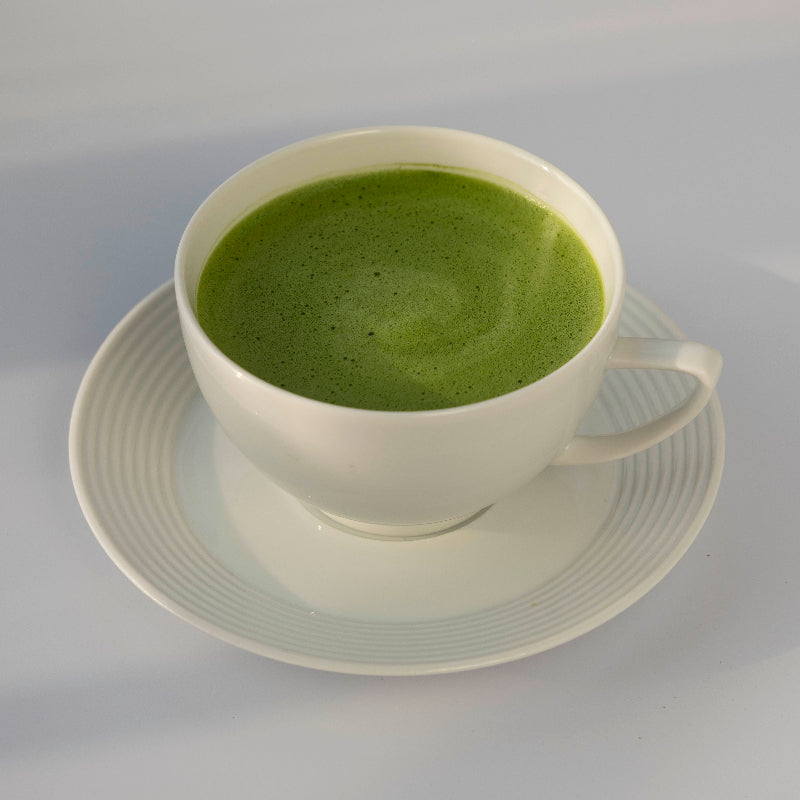
Matcha is a type of green tea that’s been ground into a bright green powder. Instead of soaking the leaves in water and removing them, you mix the powder directly into your drink and consume the whole leaf. This gives matcha a stronger flavor, more nutrients, and a smoother, longer-lasting energy boost compared to regular tea.
Where does matcha come from?
Matcha originated in China during the Tang and Song dynasties but became highly refined in Japan. Today, Japan—especially regions like Uji, Nishio, and Kagoshima—is the most respected producer of high-quality matcha.
How is matcha produced?
Matcha production includes:
- Shading: Tea plants are covered for ~3 weeks before harvest to increase chlorophyll, amino acids, and sweetness.
- Harvesting: Only the youngest, top leaves are picked.
- Steaming: Leaves are quickly steamed to prevent oxidation.
- Drying and de-veining: Leaves are dried and stripped of stems, becoming “tencha.”
- Stone-grinding: Tencha is ground slowly into a bright green powder.
What are the different grades of matcha?
The two common categories are:
- Ceremonial Grade: Highest quality, made from the youngest leaves. Smooth, naturally sweet, vibrant green. Best for drinking straight.
- Culinary Grade: Slightly stronger and more astringent. Ideal for lattes, baking, smoothies, and cooking.
Some brands further divide grades (premium, café, kitchen), but most fit under these two umbrellas.
What does matcha taste like?
Matcha has a balanced flavor with:
- Umami: Rich, savory sweetness.
- Grassiness: Fresh, vegetal notes.
- Bitterness: Mild to moderate depending on grade.
Ceremonial matcha tends to be sweeter and smoother, while culinary matcha is bolder.
How much caffeine is in matcha?
A typical serving (1–2 grams) contains about 40–80 mg of caffeine, similar to or slightly less than a cup of coffee. However, matcha also contains L-theanine, an amino acid that promotes calm focus and reduces caffeine jitters.
What are the benefits of matcha?
Commonly cited benefits include:
- High antioxidants (especially EGCG).
- Steady, focused energy due to L-theanine.
- Potential support for metabolism and fat oxidation.
- May promote relaxation and mental clarity.
- Contains vitamins A, C, E, K, and minerals.
Note: Benefits can vary by individual and quality of matcha.
How do I prepare matcha as a beginner?
Basic method:
- Sift 1–2 grams of matcha.
- Add a small amount of hot water (~70–80°C).
- Whisk in a zig-zag motion until frothy.
- Add more water or milk (for a latte).
How can I tell if matcha is high quality?
Look for:
- Vibrant jade-green color.
- Smooth, fine texture.
- Sweet, fresh aroma.
- Origin from reputable Japanese growing regions.
- Minimal bitterness when prepared properly.
How should I store matcha?
Store matcha in an airtight, opaque container in a cool, dry place.
Refrigeration helps keep its color and flavor, but ensure the pouch is sealed tightly to avoid moisture.
Are the products GMO free?
Yes, all products are natural and contain non-GMO ingredients.
How environmentally friendly is your packaging?
We use recyclable packaging.